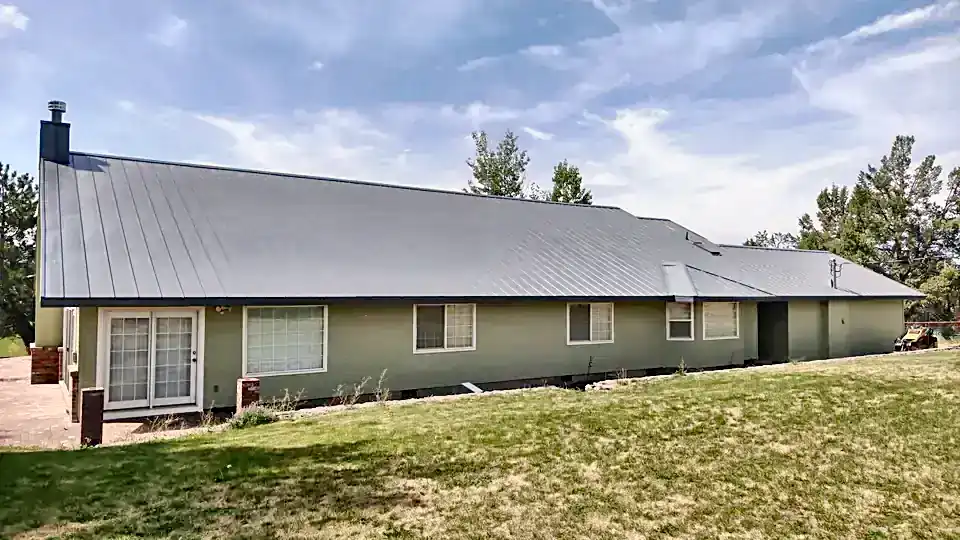
A new roof is a big investment. It’s worth looking past the upfront price at what you’re actually getting. We specialize in hidden-fastener, standing-seam metal roofs. Here’s why.
Fasteners out of the weather
The clean lines are nice. What I really like is that the panel fasteners are tucked away under the seams.
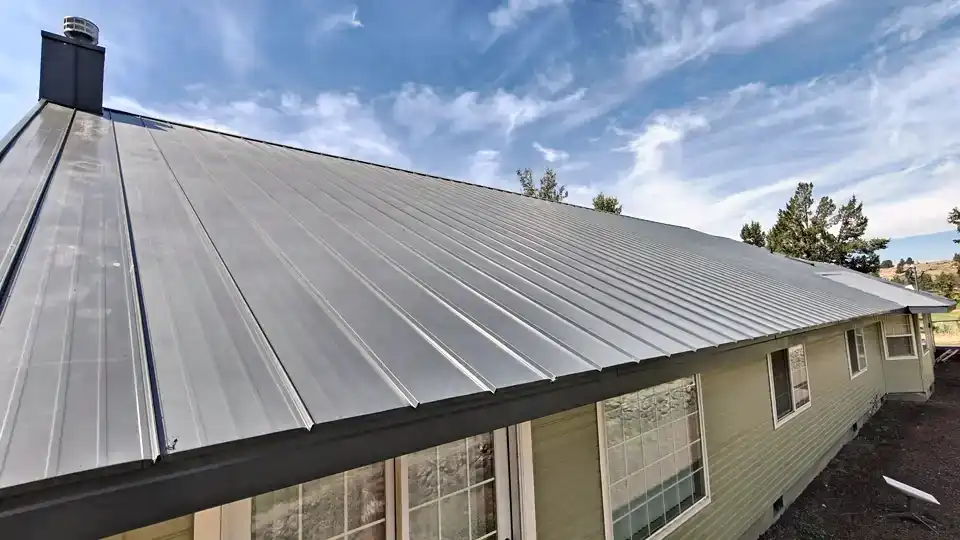
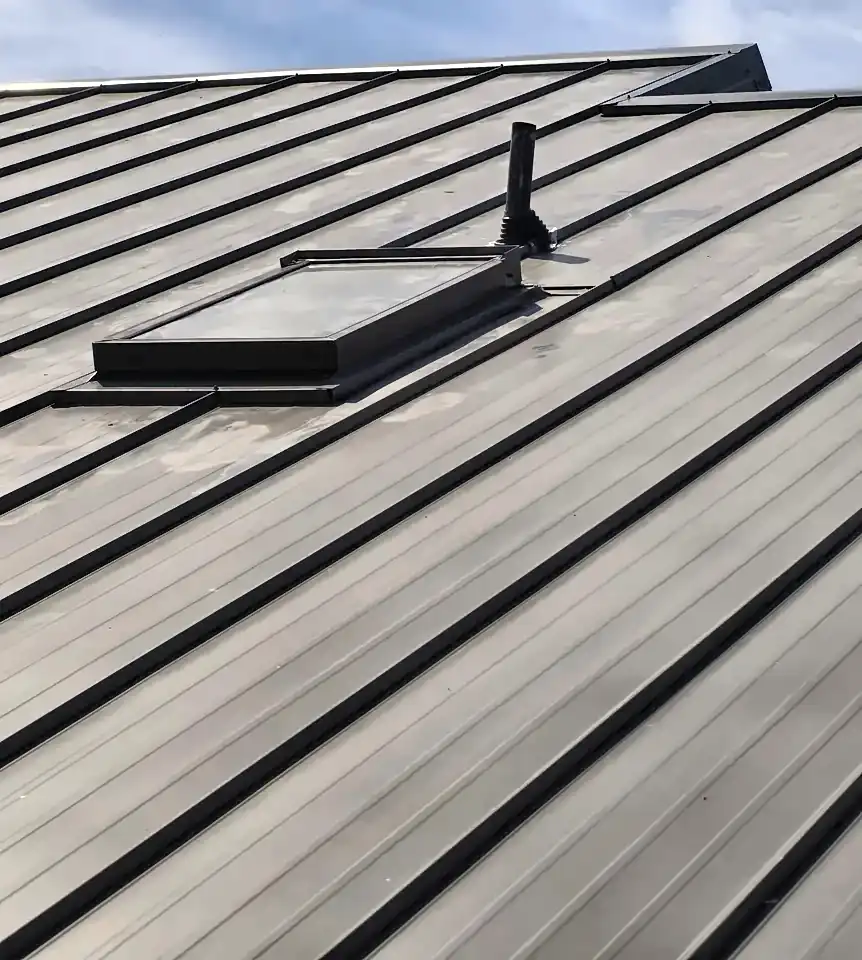
On exposed-fastener roofing, every screw goes through the panel and relies on a washer to keep water out. Over time, screws can loosen and washers can deteriorate. Standing seam keeps those attachment points out of the weather. Trim and flashing still need attention.
Looking down the road
Standing seam costs more than architectural composite shingles. In my experience, though, the sun and wind here are pretty hard on shingles. I look at a good standing-seam roof as something that can last two or three times as long here, depending on the products, the installation and the exposure.
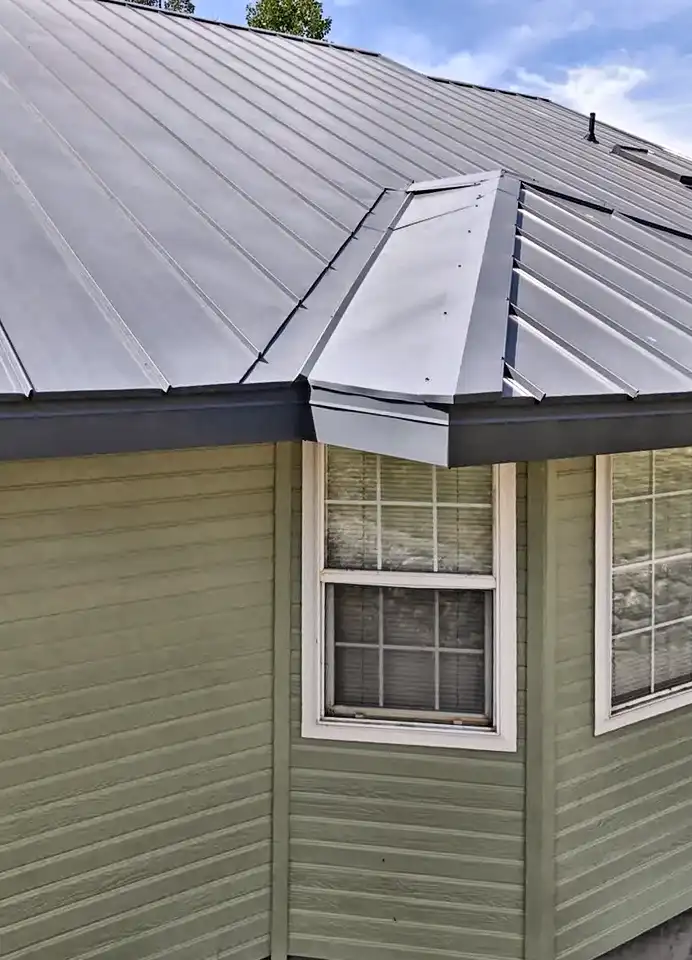
Thirty years or more is a reasonable expectation for a quality metal roof that’s installed and cared for properly. If you plan to stay in your home, that longer life is worth weighing alongside the price.
The finish matters too. Quality coatings such as PVDF generally resist fading and chalking better than budget finishes. Compare the actual coating. Standing seam by itself doesn’t guarantee better paint.
When it snows
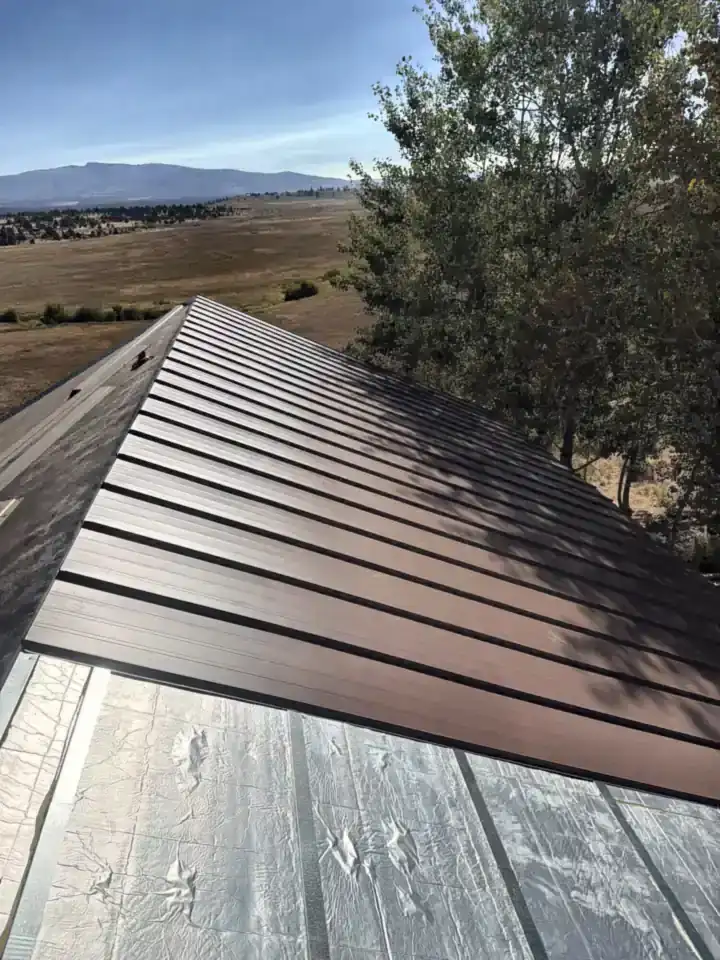
Depending on the pitch and conditions, snow can slide off smooth metal more easily than off rough shingles. When the sun warms the roof enough to release it, the snow comes off instead of hanging on through another melt-and-freeze cycle. Once it’s gone, that weight is off the roof.
We still need to plan where it will land, especially around entries and walkways. Snow retention may be needed, and the roof has to carry its design snow load. Good insulation, air sealing and roof details matter too, because metal alone doesn’t prevent ice dams.
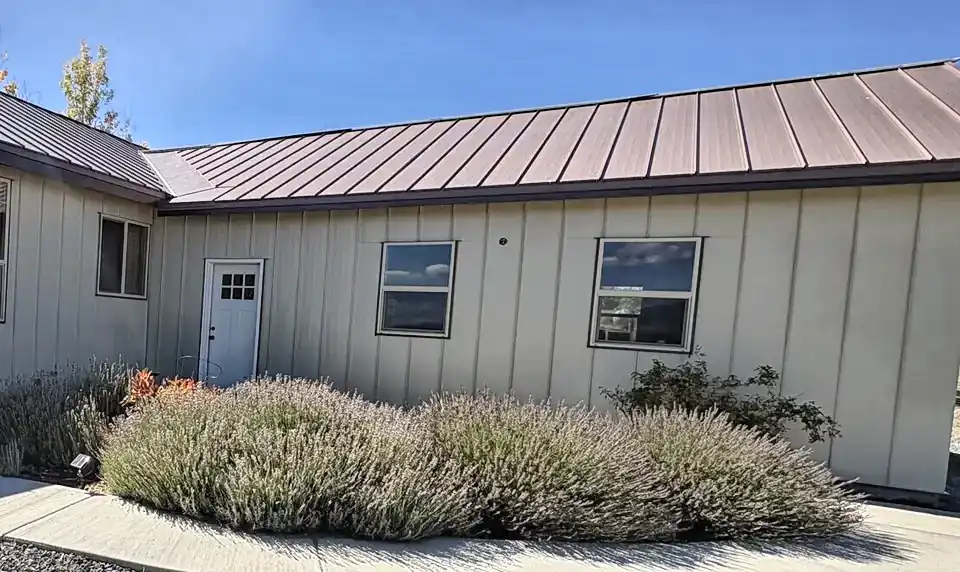
Fire
Metal is noncombustible, so fire resistance is another benefit. The rating depends on the whole roof assembly, and some composite shingle systems also carry a Class A rating.
A roof you can live with
Standing seam needs relatively little upkeep. Keep the drainage clear and have the roof checked, especially after severe weather. You’re not maintaining rows of exposed screw washers.
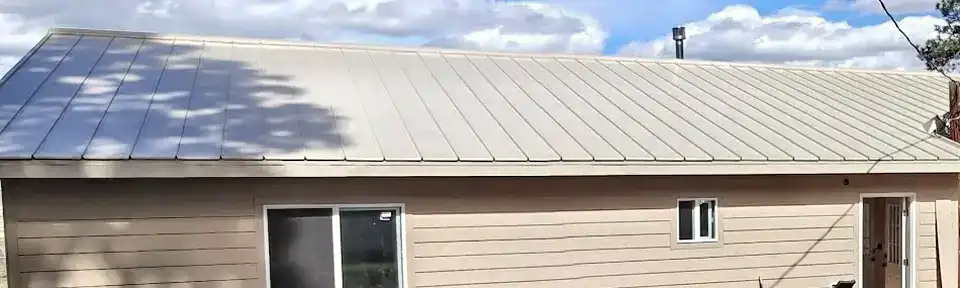
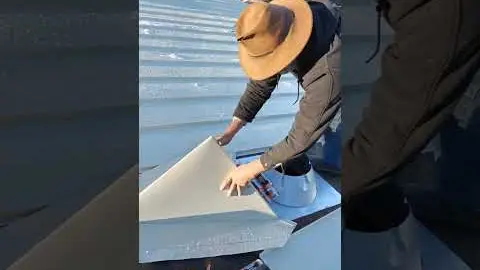
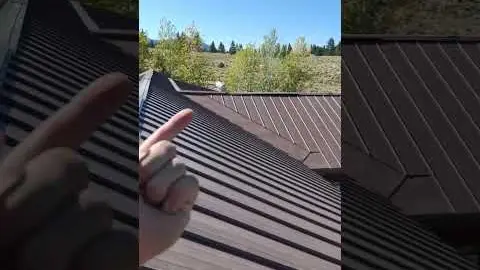
Our crew has 25-plus years of experience. The videos below give you a closer look at the work: John preparing panel ends and explaining a custom snow diverter, plus a separate valley-flashing example. If you want a roof to keep for the long haul, standing seam is worth a look.